
ASL Video Production for Truly Accessible Video Content
End to end ASL video production featuring Deaf talent, Deaf ASL directors (DASL), and certified interpreters. We help organizations in film, streaming, education, corporate, and government create culturally accurate ASL video that Deaf audiences trust.
What is ASL Video Production?
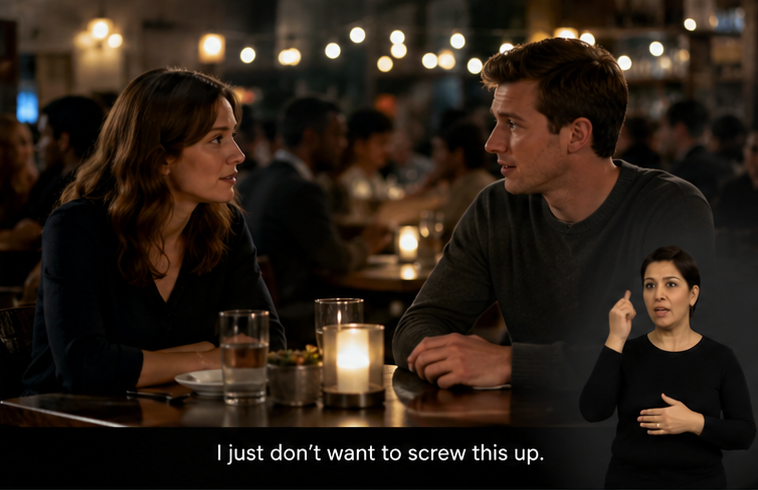
ASL video production is the process of integrating American Sign Language into your video content so Deaf and hard of hearing audiences can access it in their primary language. Instead of relying on captions alone, ASL video production adds a native signer who conveys your message visually with full facial expression, tone, and emphasis.
Our team records native Deaf talent or certified ASL interpreters in a professional studio and embeds the signing into your finished video as an ASL overlay or picture-in-picture window. Each production is guided by a Deaf Director of Artistic Sign Language (DASL) who ensures the English-to-ASL translation is linguistically accurate, culturally authentic, and easy to follow on screen.
Why ASL Matters
Captions are helpful, but they do not provide equal access for many Deaf ASL users. Adding ASL video production to your content delivers true accessibility by pairing sign language with captions so Deaf and hard of hearing viewers can fully understand and engage.
With ASL
- Native language for Deaf viewers
- Full emotional expression
- Body language and facial cues
- Faster comprehension
- Culturally authentic
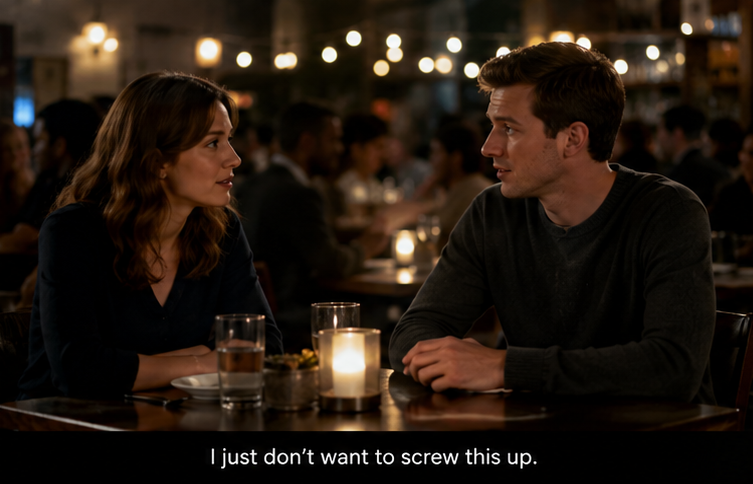
Captions Only
- Written English access
- Conveys words, not tone or emotion
- May not show body language or facial cues
- May not capture cultural or linguistic nuance
For true accessibility, we recommend ASL plus captions so all Deaf and hard of hearing viewers have full access to your content.
ASL Video Production Services
Comprehensive ASL video production services from script and ASL translation through studio recording, ASL interpreter overlays, captions, transcripts, voiceover, and audio description.
ASL Video Overlay
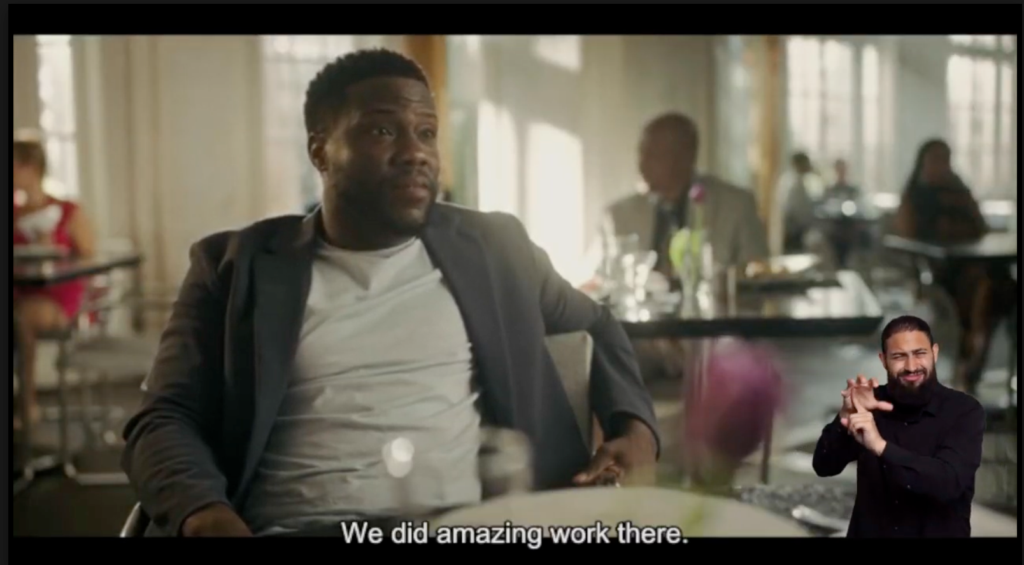
We add professional ASL video overlays to your existing content. Certified interpreters (Deaf and hearing) as well as Deaf ASL talent are recorded in our studio and integrated in overlay or picture-in-picture format. A Deaf Director of Artistic Sign Language (DASL) reviews for accuracy and cultural fit.
Deaf Talent Network
We cast native Deaf talent and on-camera ASL presenters for authentic sign language video content. Our production team handles casting, wardrobe, and direction so your accessible videos feel polished and aligned with Deaf culture.
English to ASL Translation
We provide professional English to ASL translation for scripts, training modules, and marketing videos. Each project includes Deaf ASL talent, a DASL who oversees translation and on-screen clarity, and an ASL reviewer who confirms accuracy.
Studio & Video Production
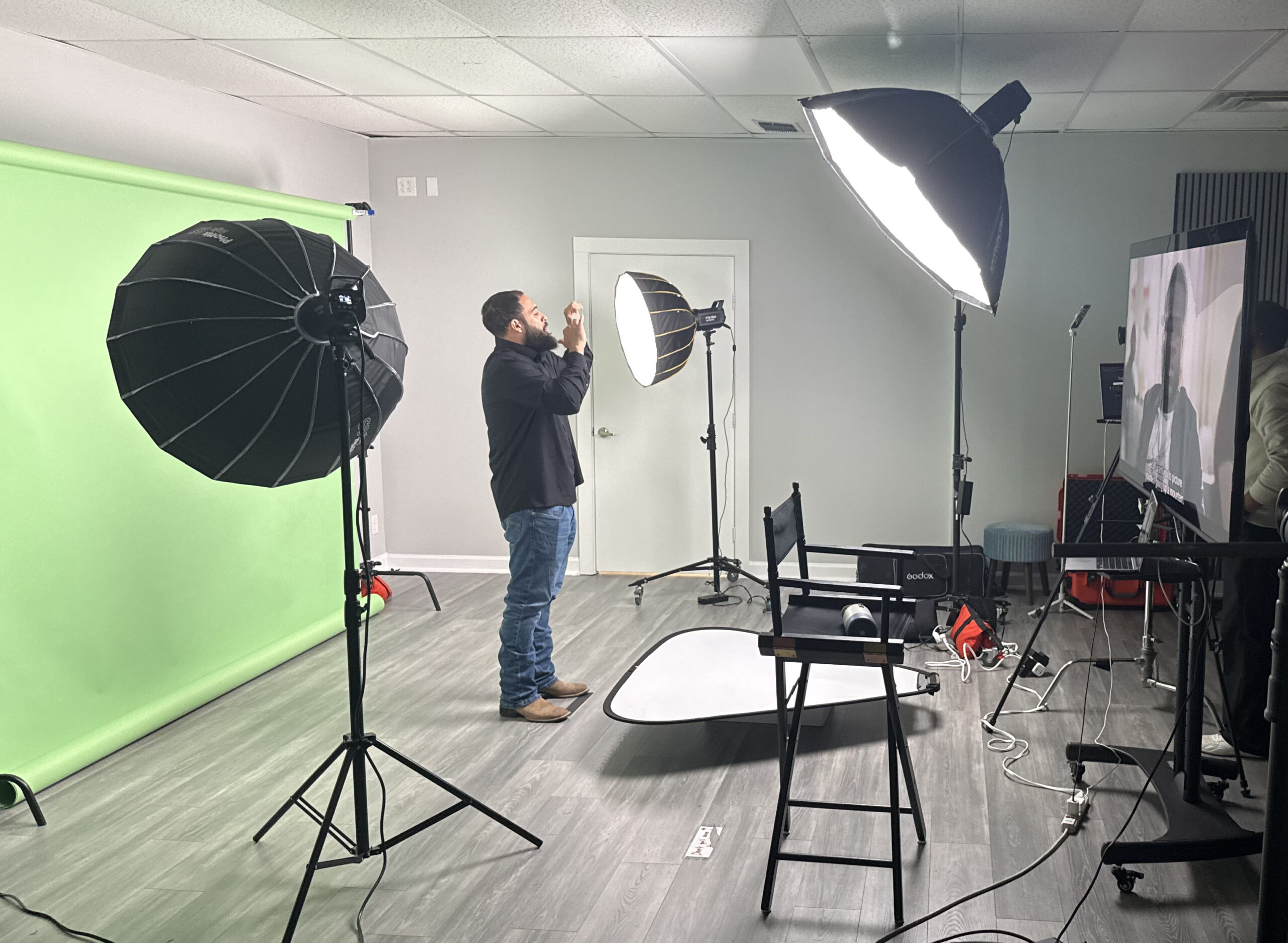
We offer full ASL video production in our professional studio with camera, lighting, teleprompter, and editing. ASL content is filmed on green screen for seamless overlay, and we deliver broadcast-ready accessible video for any platform.
Voiceover & Audio Description
We add English voiceover to ASL-first video content so hearing audiences can access Deaf-created productions. We also provide audio description for viewers who are blind or have low vision.
Captions & Transcripts
We create accurate open or closed captions synced to your video, plus ADA-compliant transcripts. Transcripts are optimized for screen readers, Braille displays, and viewers who prefer to read your content.
ASL Video Production in Austin Since 2010. Serving Clients Nationwide.
We pair certified ASL interpreters with Deaf talent and Deaf ASL directors (DASL) to deliver accessible video your audience can trust.
Serving:
Film & TV
Streaming
Education
Healthcare
Corporate
Government
Tell Us About Your Project
Describe your project below. Tell us the type of video content that needs ASL (training, marketing, film, corporate), the length or number of videos, and any timeline or accessibility requirements. The more detail you provide, the faster we can respond with an accurate quote.
COMMON ASL VIDEO PRODUCTION QUESTIONS
ASL Vido Production FAQs
Need More Help?
Explore Our Full FAQ
Our full FAQ page covers interpreting, billing, scheduling, legal services, and more.
What is ASL video production?
ASL video production is the process of translating spoken or written content into American Sign Language (ASL) and presenting that information through professionally produced video.
These videos typically feature a Deaf presenter or qualified ASL interpreter signing the content on screen so Deaf and hard of hearing viewers can access the content in a visual language. ASL video production may be used to translate existing videos or to create new video content specifically designed for Deaf audiences.
Organizations often use ASL video production to make training materials, educational content, public announcements, healthcare information, and website content more accessible.
Contact us to learn how ASL video production can make your organization’s content accessible.
Why is ASL important for video accessibility for Deaf and hard of hearing audiences?
Many Deaf individuals use American Sign Language as their primary language, and written English may not always provide the same level of clarity as sign language.
Captions provide access to spoken audio through written text, but they do not always fully convey tone, emotion, or complex information for viewers whose primary language is ASL. This is especially true for children or individuals who may still be developing English literacy skills.
ASL interpretation or translation allows Deaf viewers to receive information through their natural language. For this reason, many organizations now provide both captions and ASL interpretation to create a more complete and inclusive media experience.
What types of content can be translated into ASL videos?
A wide variety of media content can be translated into American Sign Language and presented through video.
Common examples include:
- educational course materials
- employee training and onboarding videos
- healthcare and medical information
- public service announcements
- corporate communications
- marketing and promotional videos
- website welcome messages
- government announcements
- conference presentations or webinars
- movies and television content
- streaming and digital media productions
ASL interpretation or translation may be incorporated during production or added during post-production through video overlay. This approach allows media creators to make their content accessible to Deaf audiences while maintaining the original visual storytelling.
What is the difference between captions and ASL interpretation?
Captions convert spoken audio into written text displayed on the screen.
ASL interpretation presents the message through visual sign language performed by a signer.
These two forms of accessibility serve different communication needs. Captions support viewers who cannot hear the audio but are comfortable reading English. ASL interpretation supports individuals whose primary language is American Sign Language, which has a different grammar and structure than English.
For many organizations, providing both captions and ASL interpretation creates the most inclusive viewing experience.
Who performs the ASL in the video?
Most of our ASL video productions feature Deaf talent who are native users of American Sign Language, including professional Deaf actors and actresses and Certified Deaf Interpreters (CDIs) who communicate the message directly in ASL.
Our production team includes Deaf talent who are actors and actresses, Deaf ASL language specialists who serve as consultants, Certified Deaf Interpreters (CDIs), and video production specialists who work together to ensure the translation is accurate and the signing is visually clear for Deaf audiences.
This collaborative process helps ensure the final video reflects both the meaning of the original content and natural ASL communication.
We take pride in working with highly experienced Deaf talent, many of whom have appeared in major productions such as the Super Bowl, Netflix, HBO, and many other productions, bringing a high level of professionalism and authenticity to ASL-accessible media.
Can ASL interpretation be added to an existing video?
Yes. ASL interpretation can be added to existing video content through ASL overlays or picture-in-picture interpretation.
In this format, the interpreter appears on screen alongside the original video so viewers can watch both the speaker and the ASL interpretation at the same time. This approach is commonly used for training videos, recorded presentations, webinars, and educational content.
ASL overlays are also increasingly used in film, television, and streaming media to help ensure Deaf viewers can fully experience the story and emotional content of the program.
What makes an ASL video clear and easy to understand?
Producing effective ASL video requires attention to visual clarity so viewers can clearly see the signing.
Important production factors include:
- proper lighting so hand movements and facial expressions are visible
- high-resolution video quality
- a clean, uncluttered background
- camera framing that captures the signer’s upper body and hands
- ASL signer placement that does not block important visual elements
Because ASL relies on facial expressions and body language in addition to hand movements, clear video production is essential for effective communication.
Can ASL videos be embedded on websites or learning platforms?
Yes. ASL videos can easily be embedded into websites, online courses, learning management systems, and training platforms.
Organizations often place ASL videos on pages such as accessibility statements, course lessons, training modules, or public information pages. This allows Deaf visitors to access important information directly in sign language while viewing the content online.
What industries use ASL video production services?
ASL video production is used by organizations across many industries that want to make their media accessible to Deaf audiences.
Common sectors include:
- universities and educational institutions
- healthcare organizations and hospitals
- government agencies
- corporations and training departments
- nonprofit organizations
- film, television, and media production companies
Any organization that communicates through video can improve accessibility by including ASL interpretation or ASL translation.
How long does it take to produce an ASL video?
Production timelines depend on several factors, including the length of the content, translation needs, filming requirements, and editing.
Short ASL video translations may be completed within a few days, while larger projects involving multiple videos or complex editing may require additional time.
A production team will typically review the project details and provide a timeline before filming begins.
How do you ensure ASL translations are accurate?
Our ASL video production projects involve a collaborative review process that includes ASL language specialists, interpreters, and production professionals.
Because American Sign Language has its own grammar and linguistic structure, careful translation and review are essential to ensure the message is communicated clearly and naturally in ASL. Our team works together to confirm that the final video accurately reflects the meaning and intent of the original content.
How can we request ASL video production services?
Organizations can request ASL video production services by filling out the form on our ASL Video Production webpage that lists all the details of the project:
Helpful information may include:
- the length of the video or script
- whether the video already exists or needs filming
- where the video will be used (website, training platform, broadcast, or streaming media)
- the intended audience
- the desired timeline
Our team can review the project and recommend the best approach for creating clear, professional, and accessible ASL video content.
Ready to make your content accessible?
We help businesses and media providers reach Deaf and hard of hearing audiences with certified ASL video. Let’s talk about your project.